 Español
 English

Antecedents
Sludge originates from the process of treatment of waste water.
Due to the physical-chemical processes involved, the sludge tends to concentrate heavy metals and poorly biodegradable trace organic compounds as well as potentially pathogenic organisms (viruses, bacteria, etc) present in waste waters.
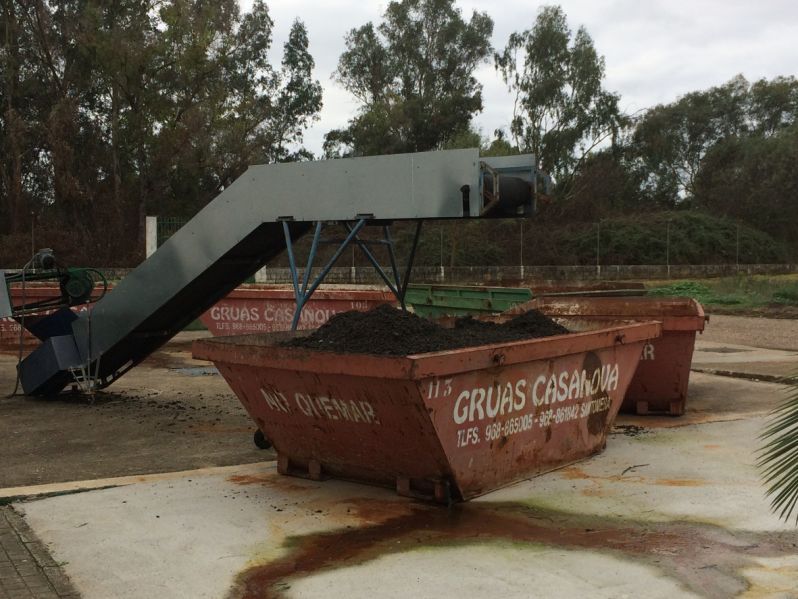
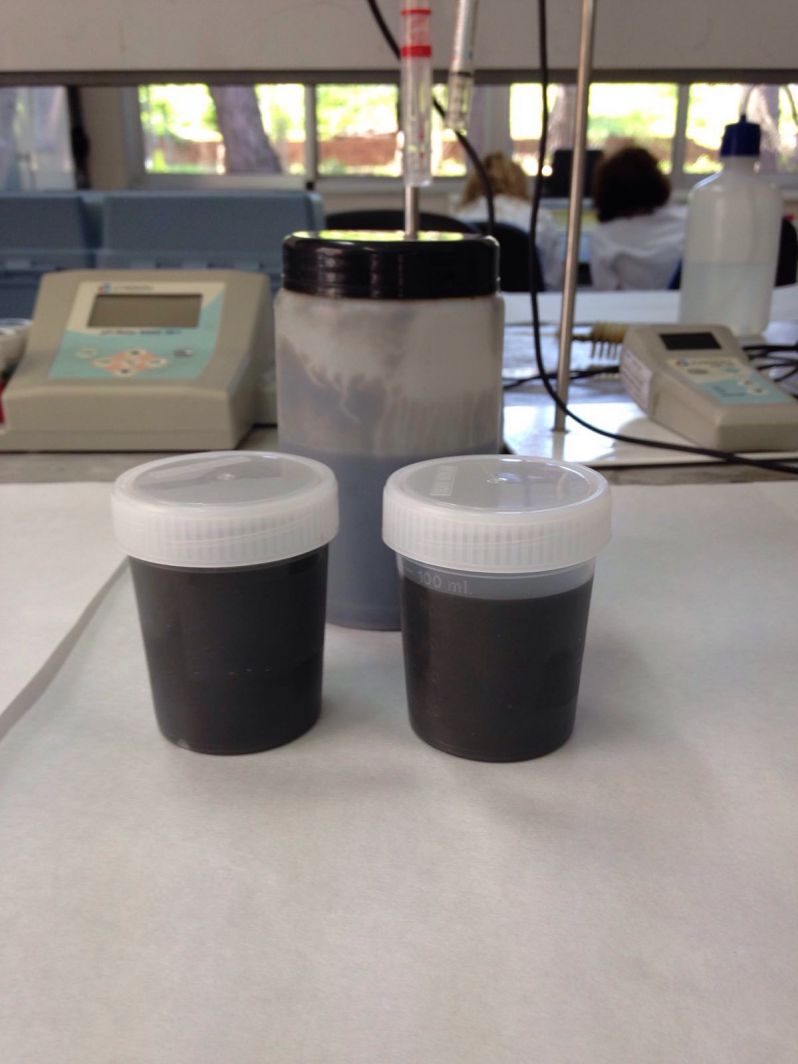
Law AAA/1072/2013 marks agricultural use of sewage sludge in Spain, in the frame of National Plan on Residues Management (PEMAR) 2016-2022, based in the residues hierarchy, according to which the last option should be the elimination (landfill).
This directive stablishes:
• The analytical control in sewage sludge production
In addition, it restricts
• The content of heavy metals in soils on which sludge will be applied (based on pH).
• The content of heavy metals in sludge intended for agricultural use.
• The maximum annual quantities of heavy metals that can be introduced into the soil.
Different strategies have been essayed for the removal of heavy metals from this matrix: chemical precipitation, solvent extraction, ion exchange, reverse osmosis, adsorption, etc. Adsorption seems to be the most suitable technique for the removal of heavy metals from wastewater.
Materials with a high adsorption capacity, as activated carbon, alumina, silica, and ferric oxide, have been commonly use; however, currently is growing research interest into the production of low-cost alternatives compared with latter ones.
In this sense, fly ash from biomass centrals are a material with a high potential for the adsorption of heavy metal contaminants from sewage sludge.
Fly ash, are the solid residues from the pulverized coal combustion.
There is vast bibliography on their valorization in building industry (road construction, concrete and cement manufacturing, prefab concrete blocks and in stuffing); in fact, there is a classification based on their composition (standard ASTM C 618-08a), and aftermath a rule limiting their use in cement matrixes (ASTM C 618-08a),
However, their potential adsorption capacity on heavy metals and organic contaminants has only been studied with fly ash from coal combustion, and on ions standard solutions, not in real sewage sludge matrixes.
Physical-chemical properties of biomass centrals´ fly ash differ from coal combustion’s ones; they even vary with source of biomass and burning conditions, which significantly affects their adsorption capacity.
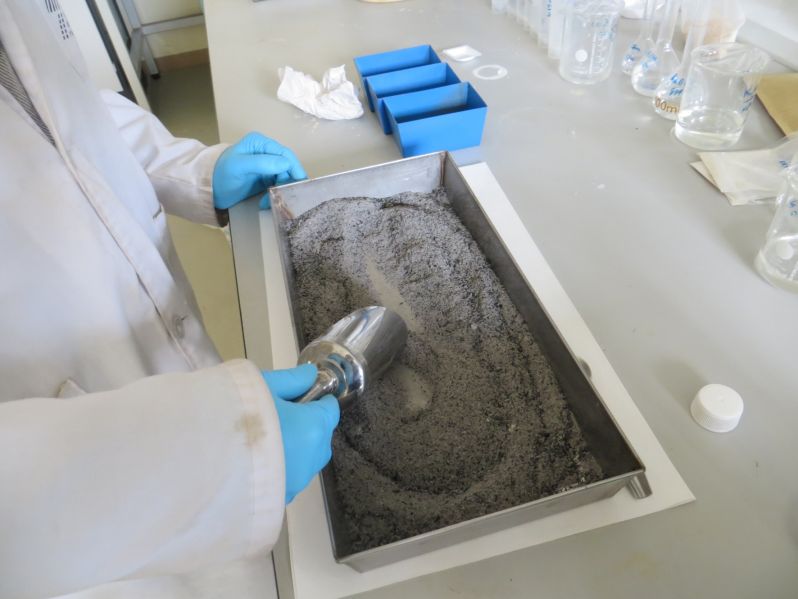
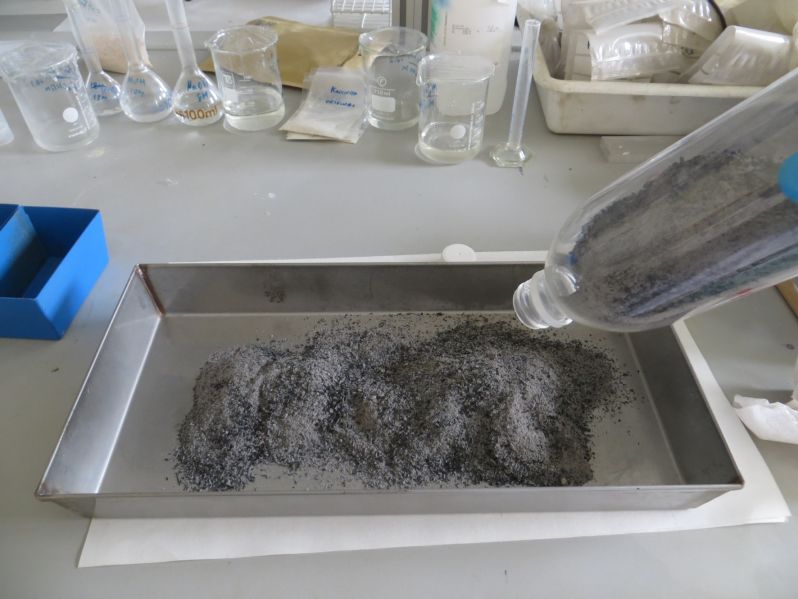
The objective of LIFE iCirBus-4Industries projects is to assess adsorption capacity of local fly ash from thermoelectric biomass plants as a low cost agent on heavy metals and micro organic contaminants from sewage sludge, as a way of their possible valorization and reuse, solving the residue management of one industry and providing a solution to other.
Expected adsorption capacity of this fly ash is similar to other fly ash sources, but a deep characterization is required to optimize this contaminants removal capacity; action foreseen in the project.
After being used as adsorbent agent, this material will be employed to manufacture recyclable construction materials, completing their innertization, and closing the residues loop in a controlled and environmental friendly way.